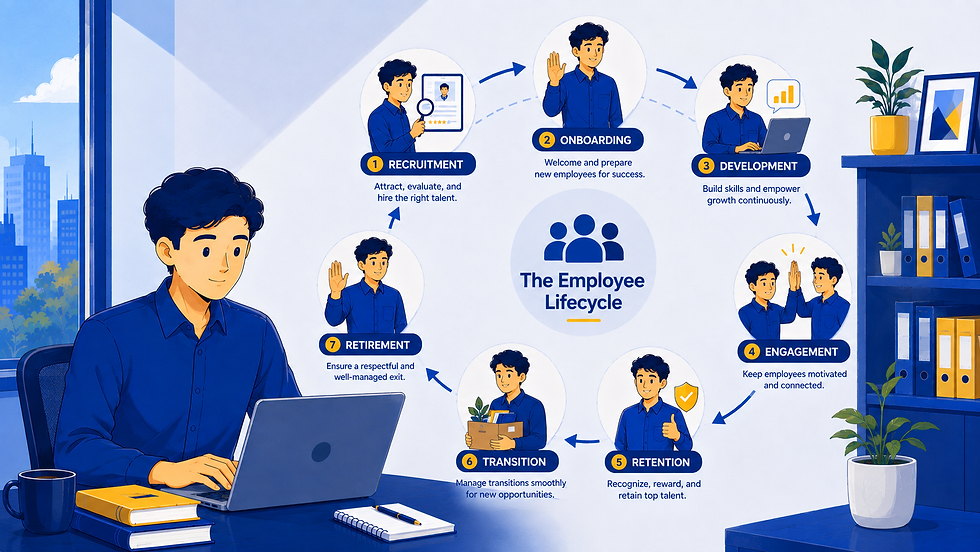
Why Core HR Is the Foundation of a Strong Employee Lifecycle
Hiring the right people is only the beginning of the employee journey.

Once an employee joins the organization, HR must manage employment data, organizational structures, positions, workflows, access, and other HR processes throughout the employee journey. This is where Core HR becomes important.
Core HR provides the foundation for managing employee and organizational information throughout the employee lifecycle, from hire to retire. In HARPA, Core HR is described as “The Fundamental of Your HR System.”
What Is Core HR?
Core HR is a core function of the HARPA system that allows organizations to manage and configure their work structure and employment data regardless of organizational complexity.
HARPA Core HR supports organizations with multiple company structures, organization and position hierarchies, employee positions, onboarding and exit clearance, workflow, automation, access restriction, and HR data reporting. It ensures the employee journey is managed consistently from hire to retire.
Why Does Core HR Matter After Recruitment?
Recruitment starts the employee journey.
Once a candidate becomes an employee, the organization needs to maintain accurate employment information and manage the employee within its organizational structure.
This includes employee information, position, organization, HR transactions, and other processes that continue throughout employment. Without a strong foundation for this information, HR processes can become more difficult to manage as the organization grows. HARPA Core HR is designed to support this foundation by bringing employment data and work structures into the HR system.
Managing Employee Data and Organizational Structures
Employee data is the backbone of HR operations. HARPA Core HR provides:
A complete overview of people data
Customizable HR data fields
Role‑based access and permissions
Configurable security profiles
As organizations grow, managing employees also means managing organizational structures. HARPA Core HR supports multiple company organizations and allows organizations to view company and position hierarchies. It also supports maintaining multiple positions for one employee.
These capabilities help HR manage employment data within the structure of the organization. For organizations with complex structures, having employment information connected to organizational and position structures can provide a clearer view of how people fit within the organization.
Supporting the Employee Journey from Hire to Retire
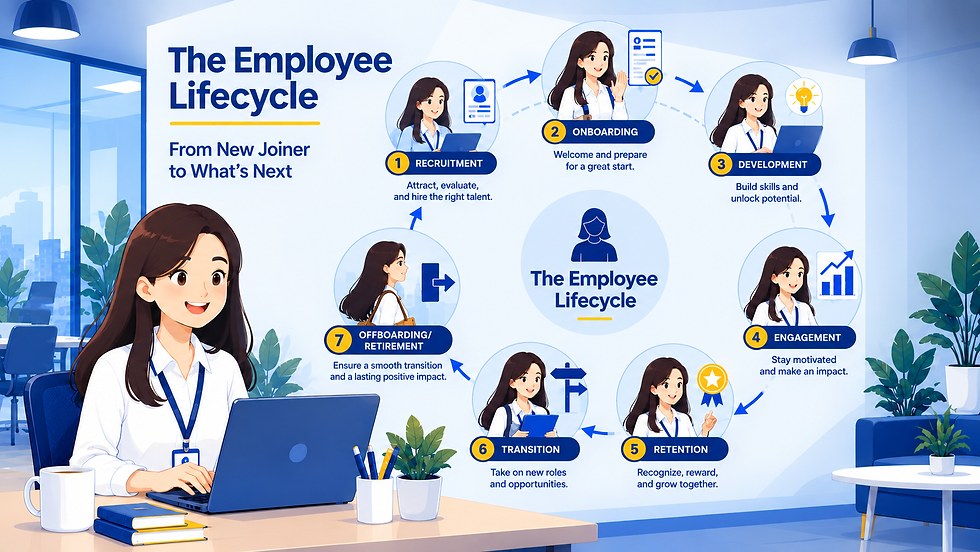
The employee journey does not end when recruitment is completed. HARPA Core HR supports the employee journey from hire to retire. The platform also includes onboarding and exits clearance as part of its Core HR capabilities. For employee exit processes, the HARPA HCM presentation includes an offboarding checklist, user access revocation, and final termination processes for Tax and BPJS.
This means Core HR is not only about storing employee information. It supports key stages of the employment journey within the organization.
Automating HR Processes
Managing HR information is only one part of Core HR. HARPA also supports workflow and automation. According to the official Core HR page, its workflow engine helps automate and reduce manual procedures in the submission and approval of HR transaction data.
This can help HR teams streamline processes and reduce paperwork. The HARPA HCM presentation also identifies process streamlining and minimizing paperwork as part of its Core HR capabilities.
Supporting HR Data Visibility
HR data can become more valuable when it is easier to access and understand. HARPA Core HR supports HR data reporting and provides managers with integrated HR analytics. The system also supports HR data auditing for complete visibility.
This connects Core HR with another important part of the HARPA platform, Analytics. HARPA Analytics provides interactive dashboards and reports designed to provide visibility into workforce metrics and performance indicators.
From Recruitment to Core HR
Recruitment helps organizations manage the hiring journey. Core HR then supports the employee journey by managing organizational structures, employment data, workflows, access, onboarding, and HR processes from hire to retire. Together, these capabilities create a more connected employee lifecycle within HARPA.
Building a Stronger Employee Lifecycle With HARPA
Core HR is fundamental because employee data and organizational structures are connected to many HR processes.
HARPA integrates Core HR with Recruitment, Time and Absence, Benefits, Payroll, Analytics, Self Service HR, Performance Management, Talent Succession, and Learning.
For organizations with growing and complex workforces, HARPA provides a unified HCM environment that connects people management from recruitment to retirement.
HARPA is an Integrated Human Capital Management solution designed to enhance HR processes, improve efficiency and employee engagement, and optimize the employee lifecycle from recruitment to retirement. The HARPA HCM presentation describes it as a localized HCM solution with capabilities covering areas such as Recruitment, Core HR, Time and Absence, Benefits, Payroll, Analytics, Self Service HR, Performance Management, Talent Successions, and Learning.

Frequently Asked Questions
What is Core HR?
Core HR is a core function of HARPA that helps organizations manage work structures and employment data, including organizational structures, positions, workflows, onboarding, access, and reporting.
What does Core HR manage?
It supports multiple company organizations, organization and position hierarchies, employee positions, onboarding and exit clearance, workflow, automation, access restriction, and HR data reporting.
Does Core HR support the employee lifecycle?
Yes. HARPA Core HR supports the employee journey from hire to retire, including onboarding and offboarding.
How does Core HR support HR automation?
HARPA automates submission and approval of HR transactions, reducing manual work and paperwork.
How does Core HR connect with HARPA HCM?
Core HR is part of HARPA’s integrated HCM suite, which also includes Recruitment, Time and Absence, Benefits, Payroll, Analytics, Self Service HR, Performance Management, Talent Succession, and Learning.